IMF
How is IMF funded or financed?
Who funds the IMF?
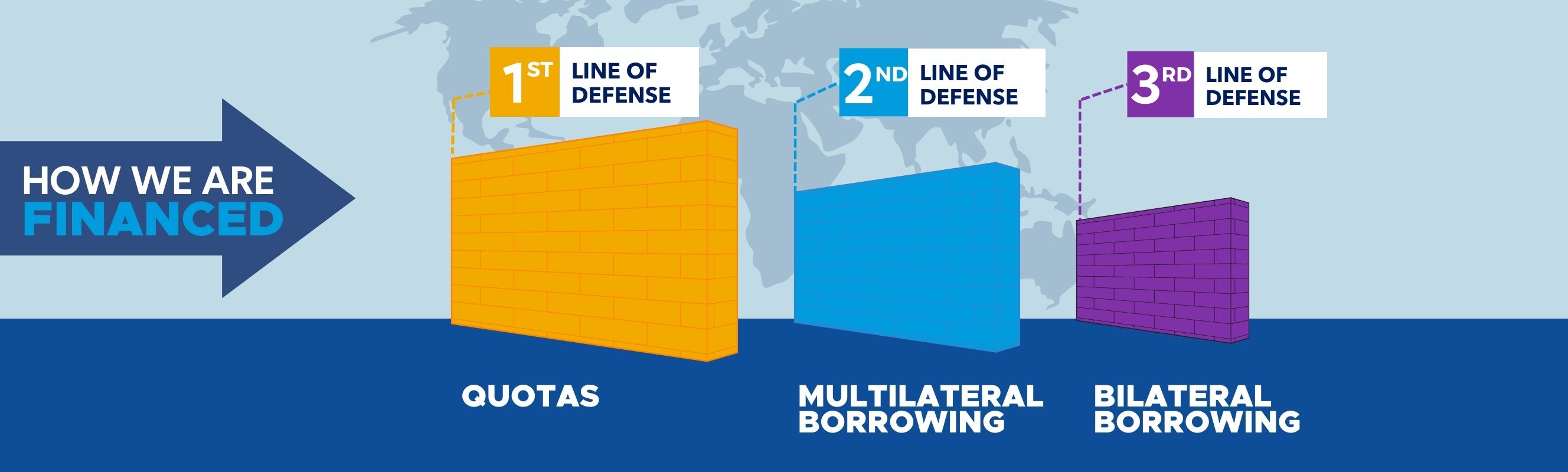
The money the IMF lends to its members comes from member countries, mainly through their payment of quotas. However multilateral and bilateral arrangements can supplement quota funds and plays a critical role in the IMF’s support for member countries in times of crisis.
IMF funds come from three sources: member quotas, multilateral and bilateral borrowing agreements.
Member quotas
Member quotas are the primary source of IMF funding. A member country’s quota reflects its size and position in the world economy. The IMF regularly reviews quotas to assess their adequacy overall and their distribution among members.
The IMF's resources mainly come from the money that countries pay as their capital subscription (quotas) when they become members. Each member of the IMF is assigned a quota, based broadly on its relative position in the world economy. Countries can then borrow from this pool when they fall into financial difficulty.
Quotas determine
- Member’s voting power
- Access to financing
- Share in IMF resources
Example: USA has the largest quota (~17.4%) and India’s quota (as of 2025): ~2.75%
New arrangements to borrow(NAB)
New Arrangements to Borrow (NAB) between the IMF and a group of members and institutions are the main backstop for quotas. The size of the NAB was doubled in 2021. The NAB currently contributes SDR 364 billion, or $489 billion, to total IMF resources.
The New Arrangements to Borrow (NAB) constitutes a second line of defense. Through the NAB, certain member countries and institutions stand ready to lend additional resources to address challenges to the international monetary system.
Bilateral borrowing agreements
Member countries also have committed resources through bilateral borrowing agreements (BBAs). In 2020, the IMF Executive Board approved a new round of BBAs, : which currently contribute SDR 141 billion, or $189 billion, to total IMF resources.
Bilateral Borrowing Agreements serve as a third line of defense after quotas and the NAB. Since the onset of the global financial crisis, the IMF has entered into several rounds of bilateral borrowing agreements (BBAs) to meet its members’ financing needs.
The IMF’s current total resources of about SDR 982 billion translate into a capacity for lending of about SDR 695 billion (around US$932 billion), as at mid-December 2023.
OTHER SOURCES OF INCOME
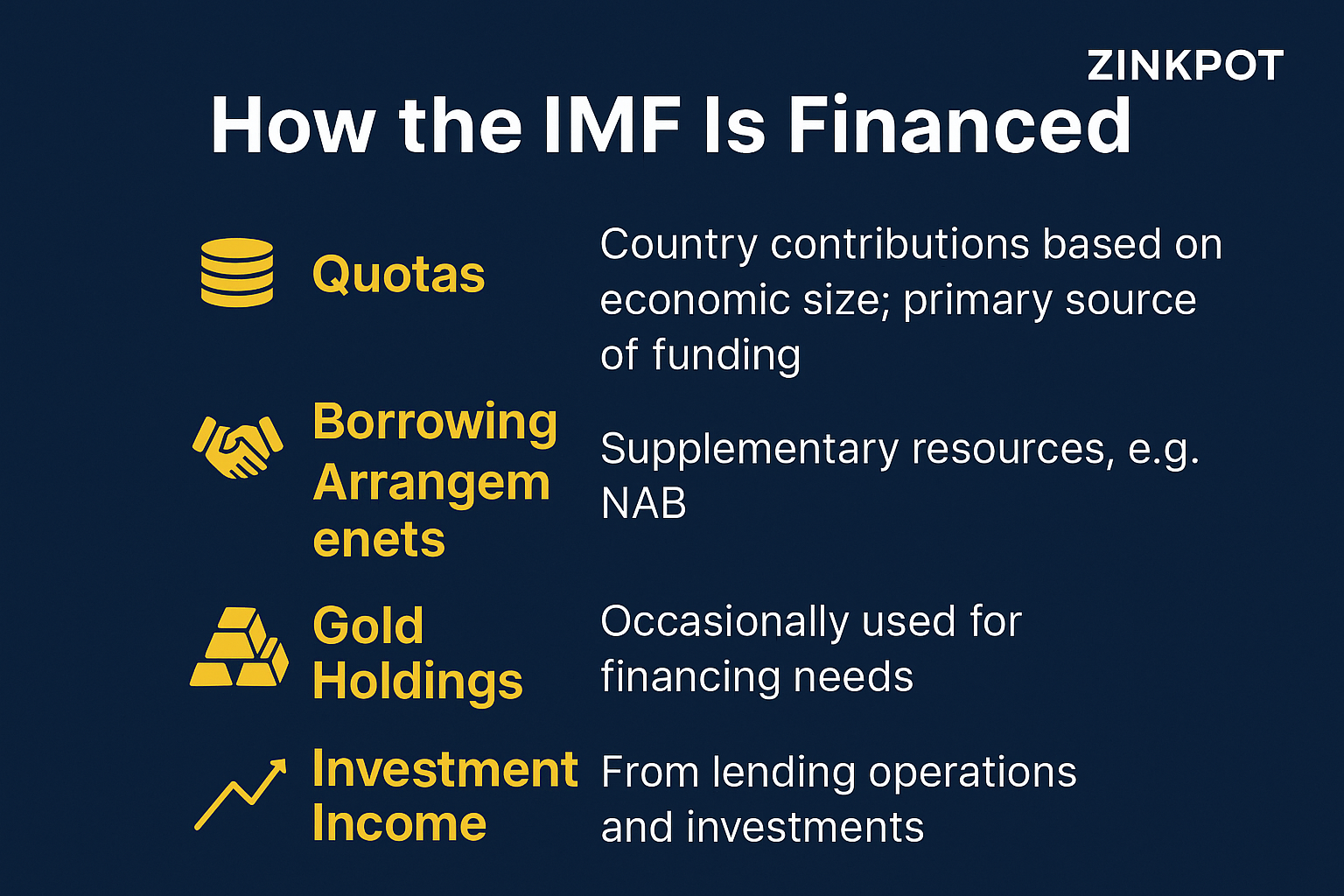
Gold Holdings : IMF holds about 90.5 million ounces of gold (as of 2024). Occasionally uses gold sales for financing debt relief or development support.
Investment Income : Earned from Lending operations (interest on loans to countries)
| Source | Role |
|---|---|
| Quotas | Main source of funding |
| NAB & GAB | Backup during global crises |
| Gold reserves | Strategic asset & limited use |
| Investment income | Operational & financial support |
About author

Zinkpot — We Inform, You Perform.
Ask Anything, Know Better
अपना प्रश्न पूछें
-
कितना पैसा PAKISTAN अब तक उधार ले चुका है?
November 02
-
India was right! Pakistan misses IMF loans conditions again
August 15 WHAT? India's Stand Vindicated as Pakistan Misses IMF Loan Conditions Again.Pakistan has failed to meet three out of five key targets set by the International Monetary Fund (IMF) for the second review of its $7 billion bailout package, reinforcing India's long-standing concerns about Islamabad's poor track record in implementing IMF reforms and the potential misuse of funds. This development highlights persistent structural and fiscal weaknesses in Pakistan's economy, including revenue shortfalls and unchecked...
-
India’s forex reserves surge by $6.99 billion to $692.72 billion in week-long rally
May 31 SUMMARY India's foreign exchange reserves experienced a significant increase of $6.99 billion, reaching a total of $692.72 billion for the week ending May 23, 2025, according to data released by the Reserve Bank of India (RBI) . Key Components of the Increase Foreign Currency Assets (FCA): The largest component of the reserves, FCAs rose by $4.52 billion to $586.17 billion. These assets are influenced by the valuation changes of major currencies like the euro, pound, and yen against the US...
-
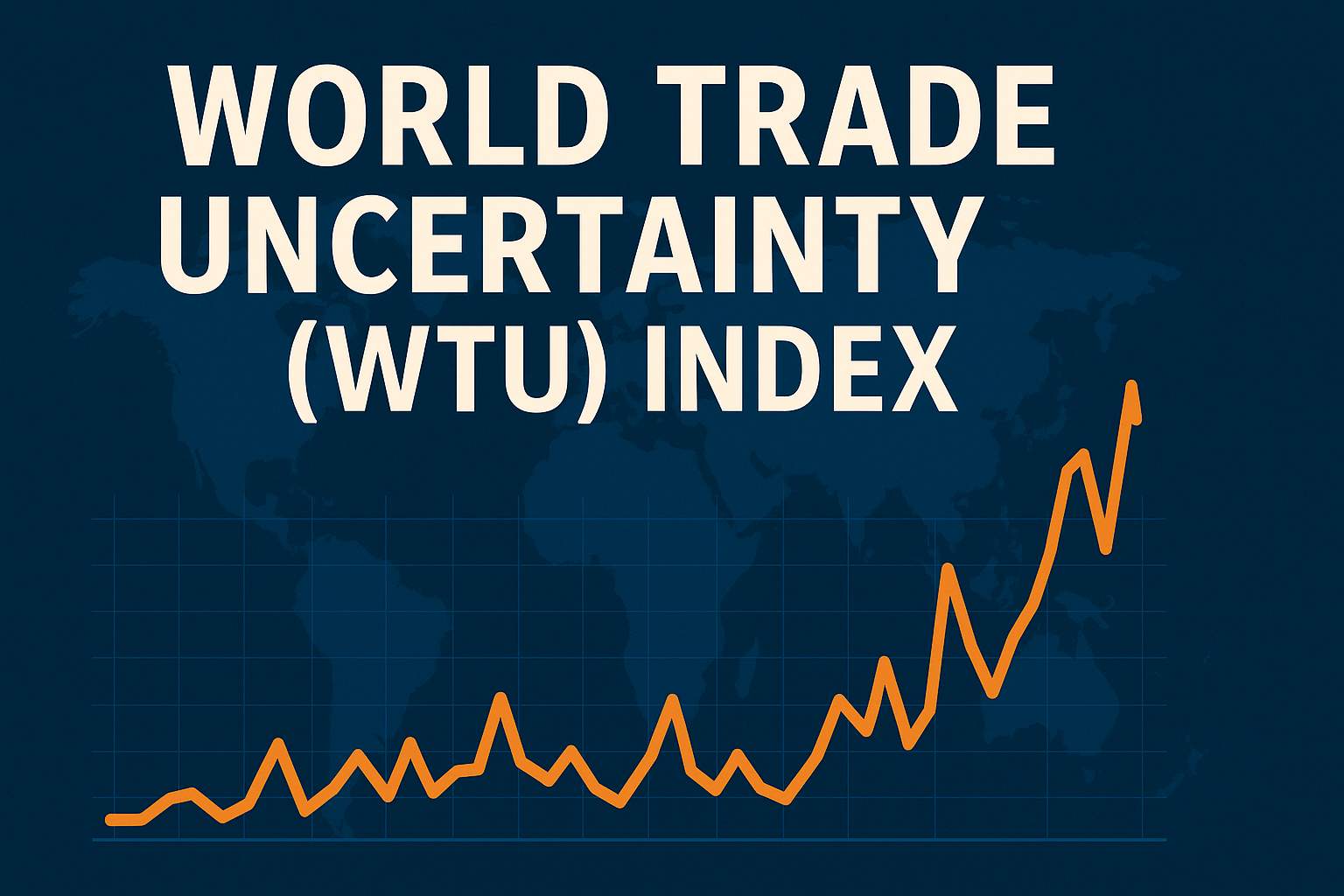
What is World Trade Uncertainty (WTU) Index?
May 13 WHAT? The World Trade Uncertainty Index is a global economic indicator developed by the International Monetary Fund (IMF) to measure uncertainty related to trade policy across countries and over time. It is published by International Monetary Fund (IMF) and Updated quarterly, available on the IMF's official website. What Does It Measure? The WTU Index quantifies trade-related uncertainty by analyzing the frequency of terms related to "trade" and "uncertainty" in the Economist...
-
Major differences between EFF, SBA and RFI facilities of IMF
May 10 Feature Extended Fund Facility (EFF) Stand-By Arrangement (SBA) Rapid Financing Instrument (RFI) Main Purpose Medium- to long-term assistance for countries with structural issues and persistent balance of payments (BoP) problems. Short-term help to resolve temporary BoP gaps, including shocks like commodity price swings. Immediate financial support for countries facing urgent BoP needs (e.g. disasters, pandemics). Launched 1974 1952 (modern...
-
All about the One Sun One World One Grid (OSOWOG)
June 06 The One Sun One World One Grid (OSOWOG) is a transnational electricity grid supplying power all over the world. The idea was first proposed by Prime Minister Narendra Modi’s during the first assembly of the International Solar Alliance (ISA) in 2018. At the COP-26 climate summit in Glasgow in the year 2021, India launched ‘One Sun One World One Grid’ (OSOWOG). The vision behind the OSOWOG initiative is the mantra that “the sun never sets”. The idea is to harness solar energy from different...
-
What is Special Drawing Rights (SDR)?
July 03 What is a SDR? The SDR is an international reserve asset. The SDR itself is not a currency but an asset that holders can exchange for currency when needed. The SDR serves as the unit of account of the IMF and other international organizations. Special Drawing Rights (SDR) was created by the International Monetary Fund in 1969. The SDR serves as the unit of account of the IMF.Though it is not a real currency, it is just a unit of account. What is the purpose of the SDR? The IMF created the SDR as a...
Comments
Write Comment